One Man's Fury, Every American's Dinner: The Personal War That Built the FDA

One Man's Fury, Every American's Dinner: The Personal War That Built the FDA
The standard account of the Pure Food and Drug Act of 1906 is a satisfying one. Muckrakers exposed the filth. An outraged public demanded action. A progressive Congress responded. Theodore Roosevelt signed the bill into law, and the modern regulatory state was born. It is the kind of story that fits neatly into a civics textbook, which is precisely why it should be regarded with some suspicion.
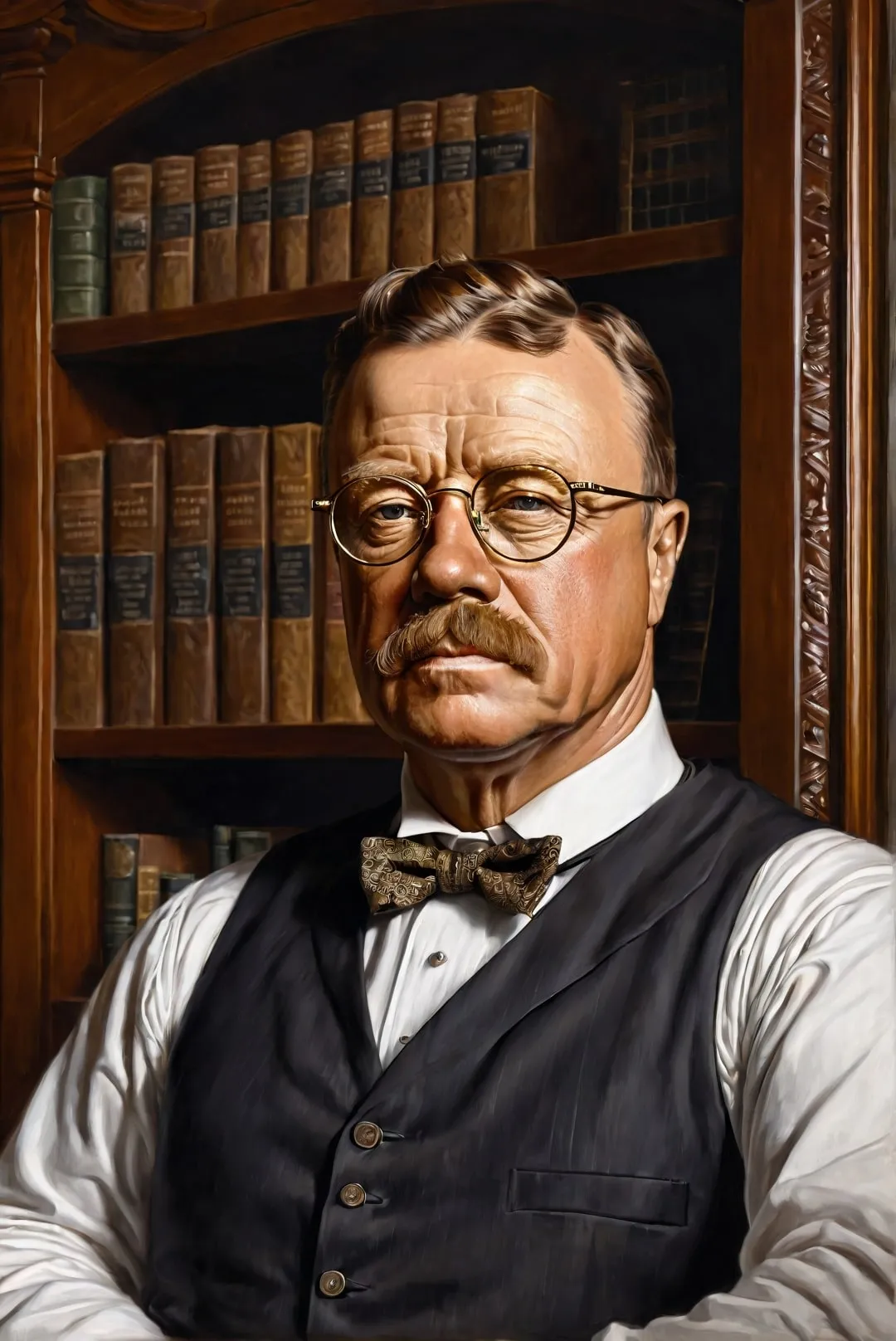 Photo: Theodore Roosevelt, via www.schulbilder.org
The actual engine behind that legislation was a man named Harvey Washington Wiley, and his motivations were considerably less civic-minded than the textbook version suggests. Wiley was the chief chemist of the United States Department of Agriculture, and by the time the act passed, he had been waging a personal, professional, and at times nearly unhinged campaign against food adulterators for more than two decades. The question worth asking — the question the old ledger always asks — is not what the law accomplished, but what kind of psychology it took to force it into existence.
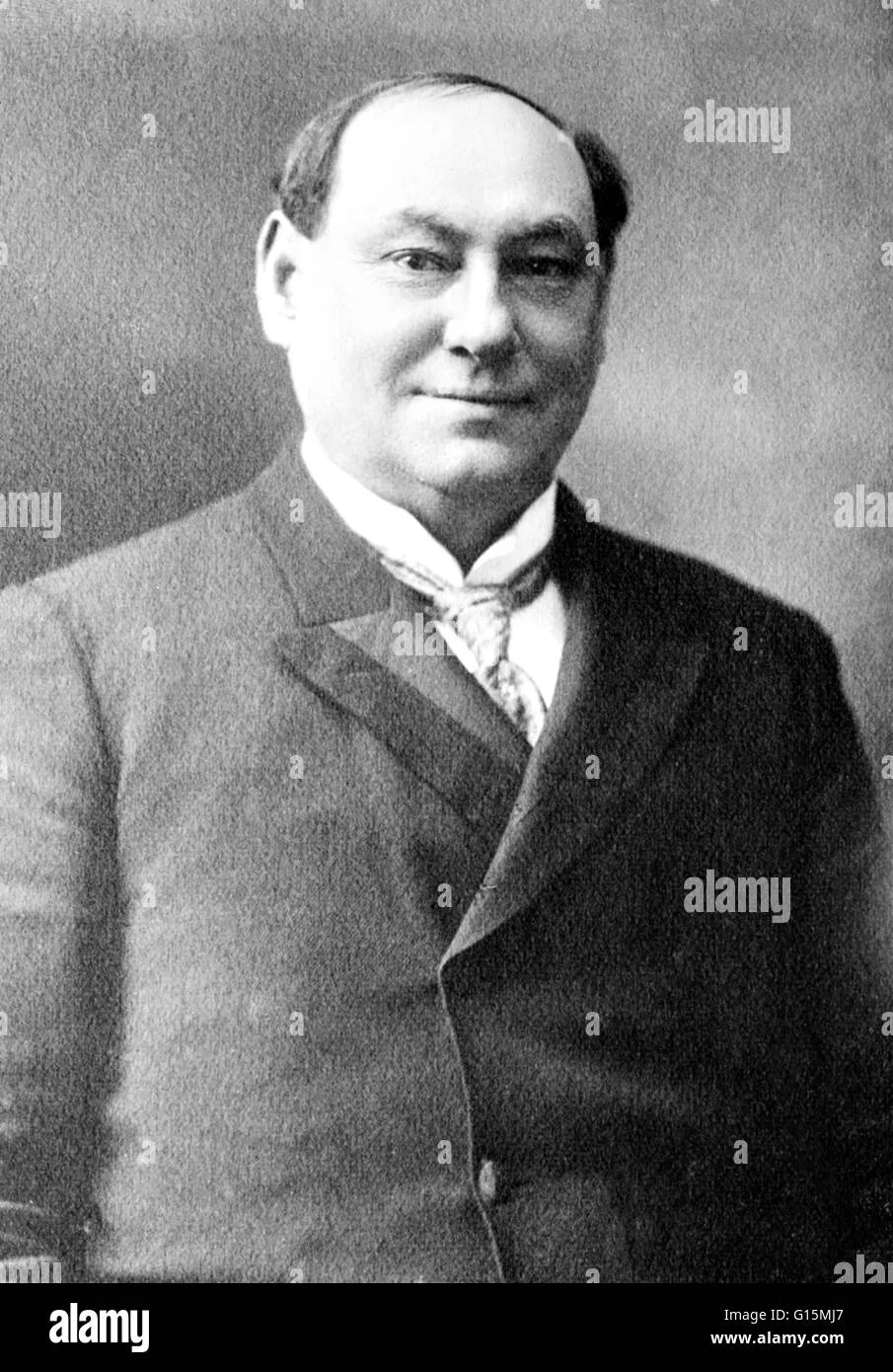 Photo: Harvey Washington Wiley, via www.alamy.com
The Chemist Who Took It Personally
Wiley arrived in Washington in 1883, appointed to run the USDA's Division of Chemistry. The food supply he encountered was, by any reasonable measure, a catastrophe of deliberate deception. Butter was routinely cut with lard or cottonseed oil and sold as pure. Whiskey was colored with coal-tar dyes and flavored with industrial compounds. Patent medicines containing morphine, cocaine, and alcohol were marketed to mothers as infant soothers. Canned goods were preserved with formaldehyde and borax and labeled with no disclosure whatsoever.
This was not a secret. The adulteration of food was so common that it had generated its own trade literature. Manufacturers discussed their methods openly in industry journals. The legal framework to stop any of it was essentially nonexistent at the federal level, and what state-level regulations existed were easily circumvented by interstate commerce.
Wiley began documenting the problem with the methodical patience of a man who intended to use the documentation as a weapon. His bureau published a multi-volume series on food adulteration throughout the 1880s and 1890s that was exhaustive, damning, and almost completely ignored by Congress. He testified before committees. He submitted reports. He watched, year after year, as the legislation he advocated died in committee or was gutted by the agricultural and pharmaceutical lobbies before it could reach a floor vote.
The professional humiliation was cumulative. Wiley was not a man who absorbed setbacks gracefully. Colleagues and contemporaries described him as combative, imperious, and constitutionally incapable of conceding a point. These traits made him difficult to work with and nearly impossible to outmaneuver. They also made him the only person in the federal government willing to sustain a twenty-year campaign against industries that had the money, the lawyers, and the congressional relationships to defeat almost anyone else.
The Poison Squad and the Performance of Science
In 1902, denied the legislative victories he had sought for nearly two decades, Wiley did something that a more cautious bureaucrat would never have attempted. He recruited twelve young male volunteers from the Department of Agriculture staff and fed them measured doses of common food preservatives — borax, salicylic acid, sulfuric acid, sodium benzoate — to document their physiological effects. He called the group his "hygienic table trials." The press called them the Poison Squad, and the name stuck.
The experiment was, by modern standards, ethically indefensible. It was also, by the standards of its era, a masterpiece of public relations. Newspapers covered the squad with the enthusiasm usually reserved for sporting events. Reporters attended the meals. Cartoonists illustrated the volunteers grimacing over their chemically enhanced dinners. The public, which had been largely indifferent to Wiley's published reports, was suddenly paying close attention.
This was not an accident. Wiley understood, with the intuition of a man who had been ignored for twenty years, that data alone changes nothing. What changes things is a story, and the Poison Squad gave him one. The psychology at work was ancient: abstract harm is easy to dismiss, but a man turning green over his government-issued lunch is impossible to ignore.
The Coalition of the Aggrieved
Wiley did not build his eventual legislative coalition out of idealism. He built it out of shared grievances. Women's clubs, which had been organizing around food safety issues since the 1880s, became his most reliable allies — not because they shared his bureaucratic ambitions, but because they were furious about what was being fed to their families. Journalists like Samuel Hopkins Adams, whose 1905 series "The Great American Fraud" exposed the patent medicine industry in Collier's Weekly, provided the public outrage that Wiley alone could not generate.
Upton Sinclair's 1906 novel The Jungle is often credited with tipping the legislative balance, though Sinclair himself was bitterly disappointed that readers fixated on the meatpacking conditions rather than the socialist argument he had intended to make. Roosevelt, who was temperamentally allergic to being outmaneuvered on a popular issue, added his weight once the political calculus became obvious.
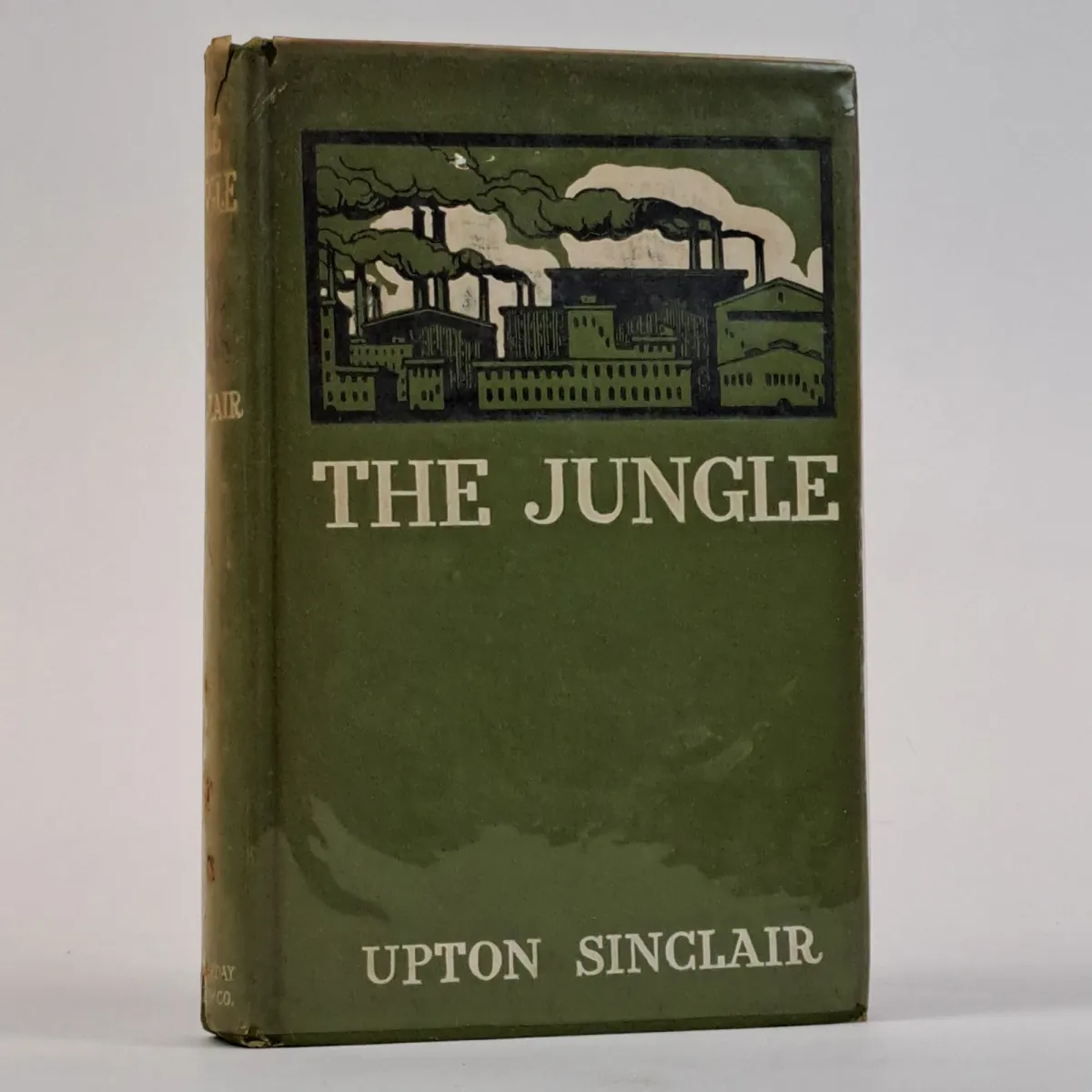 Photo: Upton Sinclair, via secondstorybooks.cdn.bibliopolis.com
But none of these forces would have had a vehicle without Wiley. He had spent two decades building the evidentiary record, cultivating the press relationships, and drafting the legislative language that everyone else eventually borrowed. He was the infrastructure beneath the movement.
What the Ledger Records
Wiley's story is not unusual in American regulatory history. It is, in fact, the template. The Interstate Commerce Commission, the Federal Trade Commission, the Securities and Exchange Commission — each of these institutions traces its origins not primarily to idealistic reformers but to specific individuals who had been wronged, embarrassed, or professionally destroyed by the industries they eventually regulated. Grievance, it turns out, is a more reliable fuel than principle. Principles can be negotiated. Wounded pride cannot.
Human psychology has not changed in five thousand years, and the mechanism Wiley embodied is as old as the record itself: the person most likely to dismantle an entrenched system is the one who has spent long enough inside it to understand exactly where it is weakest, and who is angry enough about what they found there to keep pushing after every reasonable person has given up.
The FDA today governs a regulatory domain that Wiley could not have imagined. It employs thousands of scientists, attorneys, and inspectors. It oversees industries worth trillions of dollars. Its authority reaches into every kitchen, pharmacy, and hospital in the country.
At its foundation is one chemist's refusal to accept that being right was insufficient. The ledger has seen that story before. It will see it again.