When Shame Built America's Schools: The Bitter Feud That Gave Us Public Libraries
The Wound That Wouldn't Heal
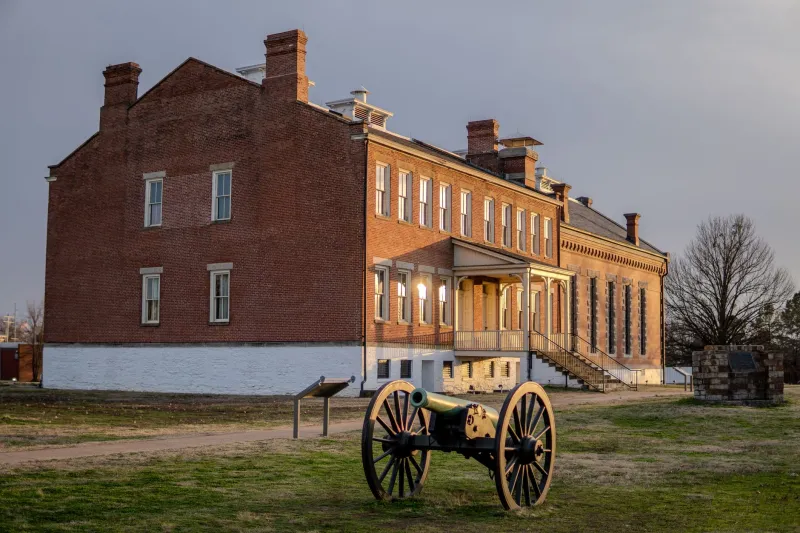
In 1892, Henry Clay Frick ordered Pinkerton guards to fire on striking steelworkers at Carnegie Steel's Homestead plant. Ten people died. The public blamed Andrew Carnegie, who was vacationing in Scotland while his partner handled the "labor problem" with bullets. Carnegie never forgave Frick for making him America's most hated capitalist, and Frick never forgave Carnegie for abandoning him to shoulder the blame alone.
 Photo: Homestead plant, via thehouseandhomestead.com
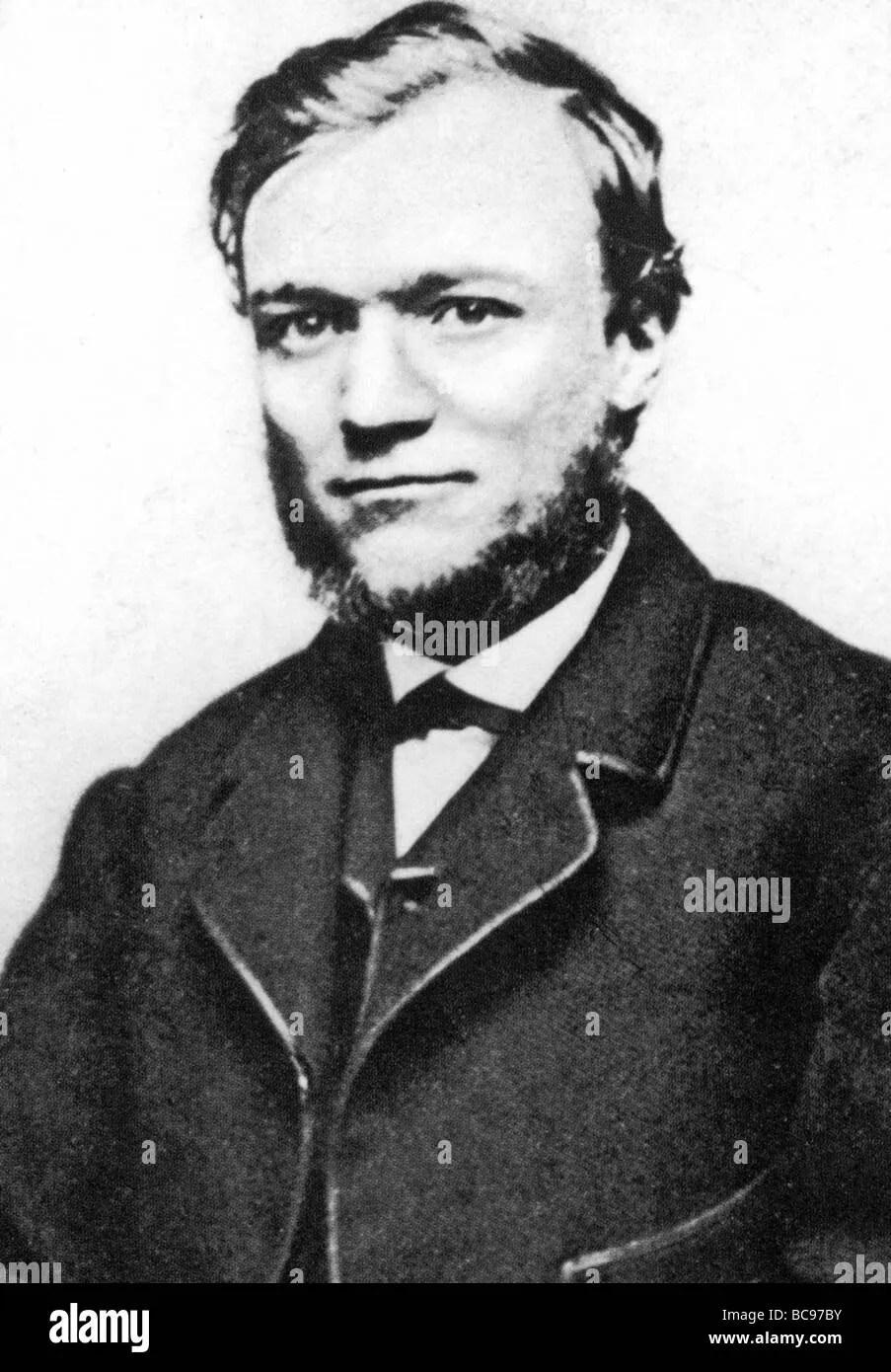 Photo: Andrew Carnegie, via c8.alamy.com
What happened next reveals an uncomfortable truth about human nature: the greatest public goods often spring from the most private wounds.
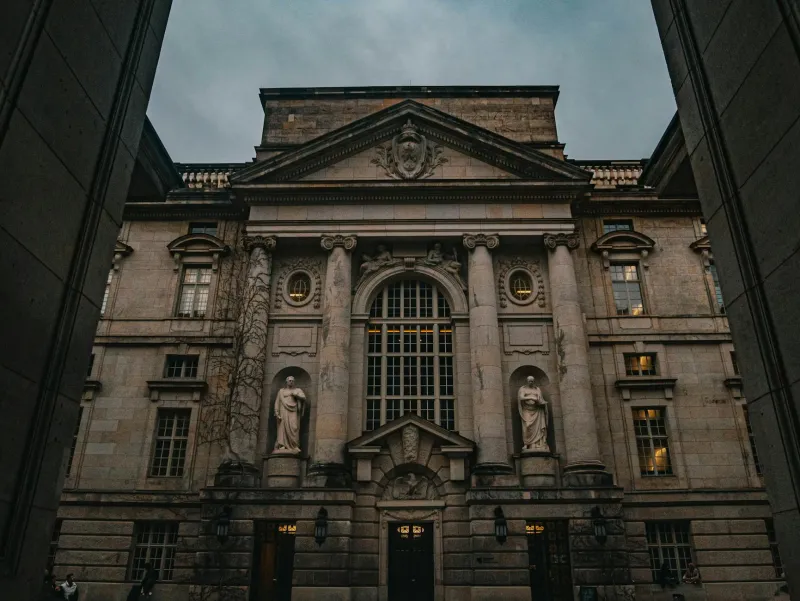
Carnegie spent the remaining thirty years of his life trying to rehabilitate his reputation through philanthropy. His weapon of choice? Public libraries. Between 1883 and 1929, Carnegie funded 2,509 libraries across America, spending $56 million—roughly $1.4 billion in today's dollars. But this wasn't charity. It was psychological warfare conducted through architecture and books.
The Psychology of Redemption Through Giving
The historical record reveals Carnegie's library campaign as a masterclass in reputation laundering. Every library bore his name. Every dedication ceremony featured speeches about his generosity. Every newspaper article about a new Carnegie library reinforced the same narrative: the steelmaker who cared about workers' minds, not just their labor.
This pattern—wealthy men using philanthropy to escape public hatred—has repeated itself across centuries. The Medici family funded Renaissance art to distract from their banking practices. John D. Rockefeller built universities after being called a monopolist. Bill Gates pivoted to global health after Microsoft's antitrust battles. The psychology remains identical: when public opinion turns toxic, the wealthy buy virtue through visible giving.
Carnegie's innovation was scale and standardization. His libraries weren't random acts of kindness—they were a coordinated campaign designed to place his name on permanent structures in as many American communities as possible. Each library was a monument to his transformation from robber baron to benefactor.
The Frick Factor
Meanwhile, Frick pursued his own psychological campaign. He collected art obsessively, building what would become the Frick Collection in Manhattan. Where Carnegie sought public redemption, Frick chose private validation through beauty. Both men were trying to prove their worth, but to different audiences—Carnegie to the masses, Frick to history's cultural elite.
Their feud intensified Carnegie's library building. Every positive headline about a new Carnegie library was a small victory over Frick's attempt to paint him as a hypocrite who abandoned his workers. Carnegie's autobiography, published posthumously, dedicates significant space to defending his actions during Homestead—thirty years after the fact. The wound never healed.
The Accidental Education Revolution
Carnegie's psychological needs accidentally created America's educational infrastructure. His libraries came with specific requirements: communities had to provide the land, fund ongoing operations, and ensure free access to all citizens. This created a nationwide network of public institutions dedicated to learning—not because Carnegie believed in education as a public good, but because he needed maximum visibility for his reputation rehabilitation.
The irony runs deeper. Carnegie's libraries democratized access to information in ways that would eventually enable workers to organize more effectively against exactly the kind of industrial practices that made Carnegie wealthy. The man who hired Pinkertons to shoot strikers inadvertently funded the institutions that would educate future labor leaders.
The Template for Modern Philanthropy
Carnegie's library campaign established the psychological and structural template that modern billionaire philanthropy still follows. The Carnegie libraries demonstrated that large-scale giving could successfully transform public perception, provided it was visible, sustained, and personally branded.
Today's tech billionaires follow Carnegie's playbook precisely. They fund education initiatives, build research institutes, and tackle global problems—always with their names prominently displayed. The psychology driving Jeff Bezos's climate fund or Mark Zuckerberg's education initiatives differs little from Carnegie's library obsession: wealthy men using strategic giving to control their historical narrative.
The Uncomfortable Truth
The Carnegie library story reveals something unsettling about human progress: our greatest public institutions often emerge from private pathologies. Carnegie's libraries educated millions of Americans not because he loved learning, but because he couldn't bear being hated. His wounded ego accidentally created the foundation for American public education.
This pattern repeats throughout history because human psychology remains constant. The wealthy need validation, the public needs services, and shame bridges the gap between private need and public good. Carnegie's libraries stand as monuments not to generosity, but to the uncomfortable truth that civilization's greatest gifts rarely spring from virtue—they emerge from the complex, often ugly psychology of human beings trying to live with themselves.
The next time you pass a Carnegie library, remember: you're looking at what shame built.