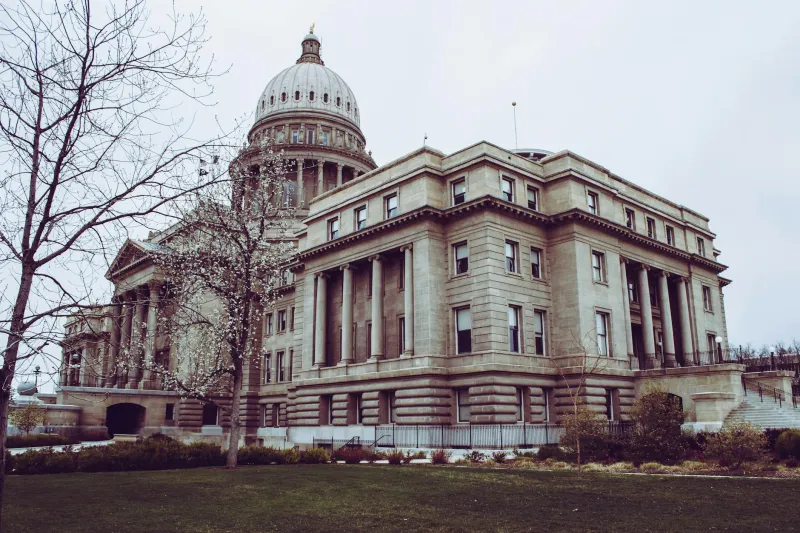
The Dinner That Changed Geography
In June 1790, Thomas Jefferson hosted what would become the most expensive dinner party in American history. The meal cost nothing more than wine and conversation, but its consequences would drain federal budgets for centuries. Across Jefferson's table sat Alexander Hamilton and James Madison, two men who despised each other's vision for America but needed each other's cooperation to survive politically.
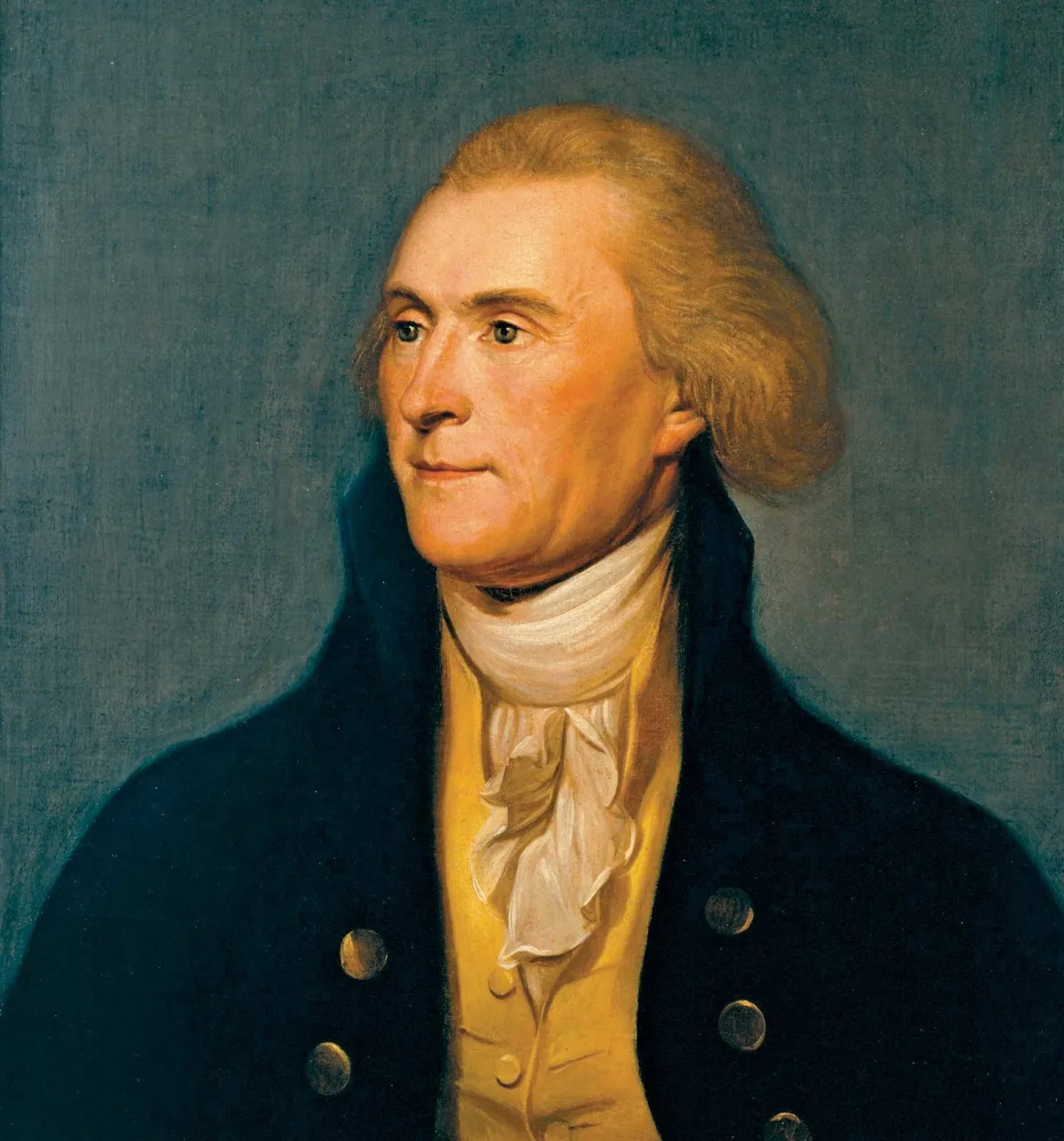 Photo: Thomas Jefferson, via cdn.britannica.com
Hamilton required southern votes to pass his financial plan—the federal assumption of state debts that would establish America's creditworthiness. Madison needed northern support to move the nation's capital away from New York and Philadelphia, both cities that southern planters viewed as corrupt financial centers. Neither man possessed sufficient political strength to achieve his goal independently.
What emerged from that evening was not strategic planning but transactional psychology. Hamilton would secure his debt assumption plan. Madison would get his capital relocated to the South. The location they selected—a fever-ridden swamp along the Potomac River—was chosen not for its merits but for its political neutrality.
The Psychology of Impossible Compromises
The dinner compromise reveals a fundamental truth about human decision-making that behavioral economists would not formalize for another two centuries: when faced with zero-sum competition, rational actors will accept objectively terrible outcomes rather than allow their opponents to claim victory.
Hamilton and Madison both understood that the Potomac location was practically indefensible. The site flooded regularly, bred disease-carrying mosquitoes, and offered no natural advantages for commerce or defense. European visitors consistently described the emerging capital as a backwater embarrassment. Yet both men preferred this mutually disadvantageous outcome to any alternative that might strengthen their rival's position.
This psychological pattern—accepting shared misery rather than unequal benefit—appears repeatedly throughout American business and political history. The same dynamics that planted Washington in a swamp would later produce the transcontinental railroad's inefficient northern route, the Federal Reserve's deliberately scattered structure, and countless corporate headquarters located for political rather than economic reasons.
The Price of Pride in Perpetuity
The true cost of the 1790 dinner deal extends far beyond the initial construction expenses. Washington D.C.'s problematic geography has required continuous intervention to remain habitable. The federal government has spent billions draining swamps, controlling flooding, managing disease vectors, and compensating for the site's natural disadvantages.
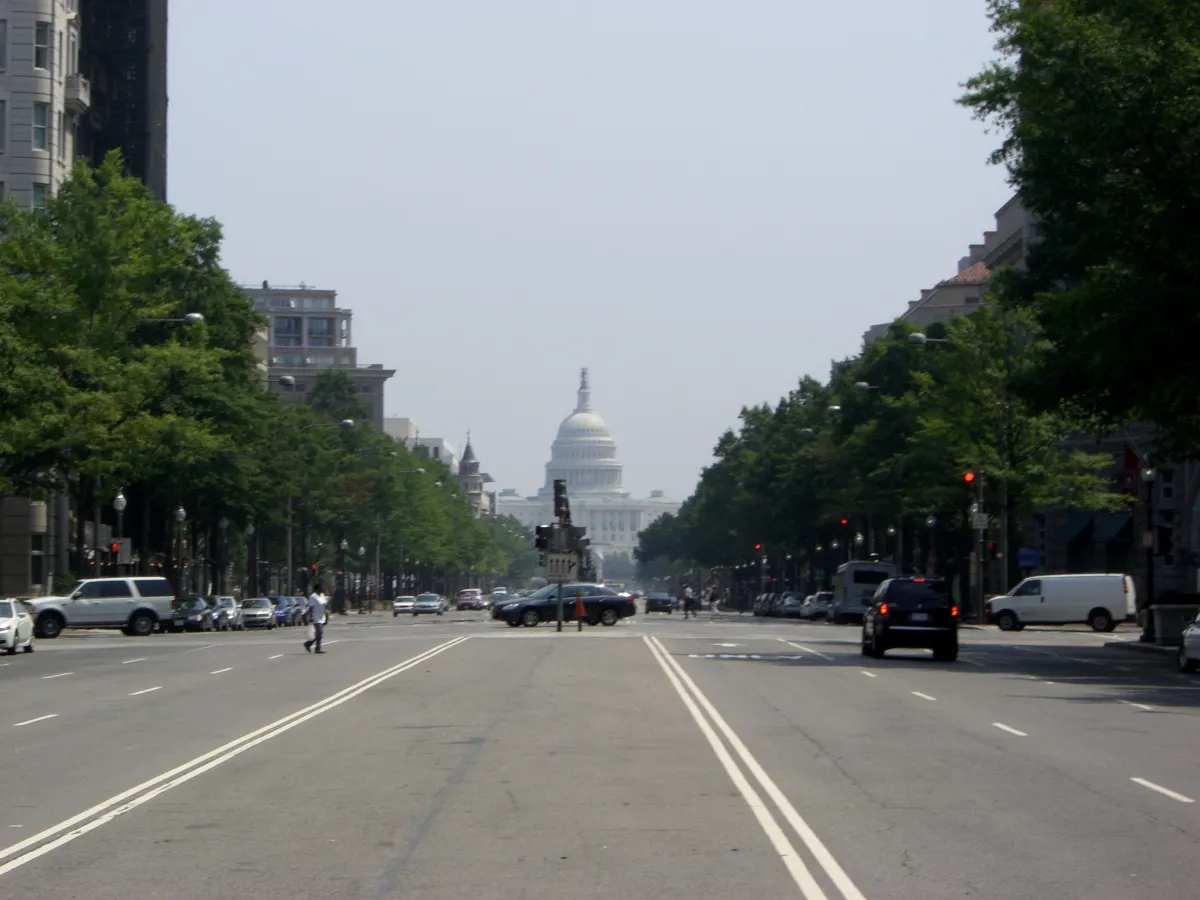 Photo: Washington D.C., via jooinn.com
More significantly, the capital's isolation from major commercial centers has shaped American governance in ways the founders never anticipated. Unlike European capitals that evolved as natural centers of trade and population, Washington exists primarily as a political entity. This separation has reinforced the American tendency to view government as something apart from—and often opposed to—productive economic activity.
The psychological legacy proves even more expensive than the practical one. The founders' willingness to prioritize political face-saving over rational planning established a precedent that continues to influence major infrastructure decisions. From military base locations to federal agency headquarters, American site selection consistently reflects political compromise rather than operational logic.
Lessons Written in Marsh Water
The Washington D.C. origin story demonstrates how personal psychology scales to institutional consequences. Hamilton and Madison's dinner table deal was fundamentally a transaction between two individuals managing their own political survival and ego protection. Yet their private psychological needs produced a public outcome that affects millions of Americans centuries later.
This pattern repeats throughout American business history. Corporate mergers driven by executive pride rather than strategic logic, infrastructure projects located to satisfy political constituencies rather than economic efficiency, and regulatory frameworks designed to split differences rather than solve problems all follow the same psychological template established at Jefferson's dinner table.
The enduring lesson is not that compromise itself is destructive, but that compromise divorced from objective criteria produces systematically poor outcomes. When personal relationships and political positioning drive major decisions, the resulting institutions reflect the psychology of their creators rather than the needs of their users.
The Swamp as Mirror
Washington D.C. remains what it has always been: a monument to the triumph of political psychology over practical planning. The city works adequately as a seat of government precisely because enormous resources have been continuously invested to overcome its natural disadvantages. This ongoing expense represents the permanent cost of allowing personal animosity and political pride to override rational decision-making.
Every American business leader or policy maker confronting seemingly intractable institutional problems might benefit from remembering that their capital city exists on a swamp because two brilliant men once prioritized their mutual dislike over their shared interests. The psychology that created Washington D.C. has never disappeared from American decision-making—it has simply found new venues and new victims.
The marshland that Hamilton and Madison selected as politically neutral ground continues to shape how Americans think about the relationship between government and commerce, between regional interests and national needs, and between personal relationships and public policy. In this sense, the dinner deal of 1790 never really ended. It simply moved from Jefferson's table to every boardroom and committee room where Americans still choose political expedience over practical solutions.