
The Wizard's Iron Fist
In 1908, Thomas Edison controlled American cinema through the Motion Picture Patents Company, a cartel that wielded patent law like a medieval siege engine. Independent filmmakers faced a simple choice: pay Edison's licensing fees or face federal marshals seizing their equipment. The Wizard of Menlo Park had weaponized intellectual property with surgical precision, creating what appeared to be an unbreakable monopoly over the nation's newest entertainment medium.
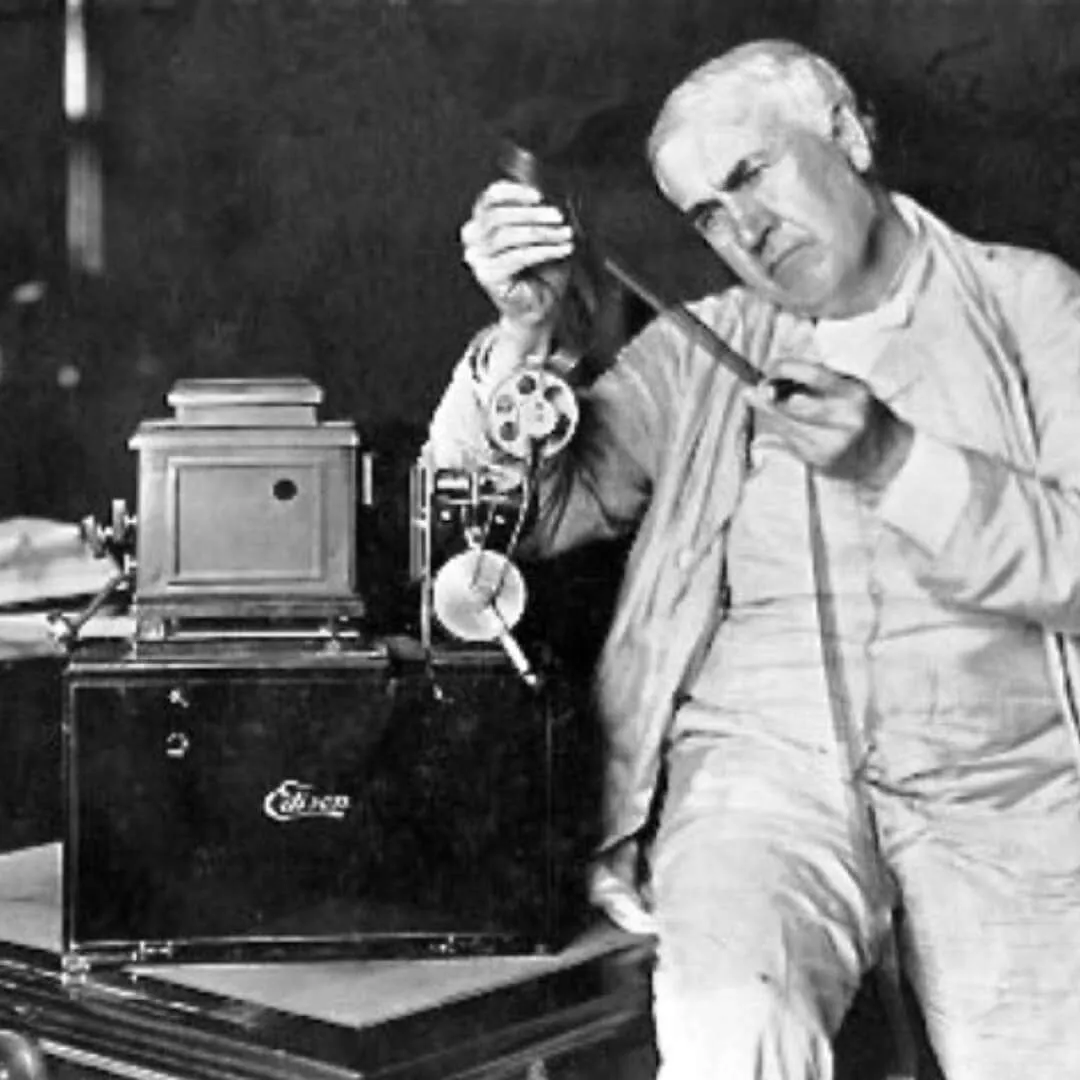 Photo: Thomas Edison, via mondoro.com
Yet human psychology has remained unchanged since the first merchant refused to pay tribute to a local warlord. When authority overreaches, rebellion follows—and rebellion often proves more creative than the system it opposes.
The Great Western Migration
The independent producers who fled Edison's eastern stronghold carried more than camera equipment to California. They brought the accumulated resentment of entrepreneurs who had been told their ambitions were illegal. Carl Laemmle, William Fox, and Adolph Zukor didn't set out to create Hollywood—they simply wanted to make movies without Edison's permission.
Los Angeles offered practical advantages: year-round sunshine, diverse landscapes, and crucially, proximity to the Mexican border should Edison's legal enforcers arrive. But the psychological advantage proved more significant. Distance from established authority freed these outsiders to reimagine how entertainment could be produced, distributed, and consumed.
 Photo: Los Angeles, via wallpapers.com
The Accidental Architecture of Dreams
Edison's Patents Company operated like a medieval guild, controlling production through licensing and limiting innovation through litigation. The California exiles, by necessity, developed a different model entirely. Without access to Edison's distribution networks, they built their own. Barred from established exhibition circuits, they created new ones.
This wasn't visionary leadership—it was adaptive survival. The studio system emerged because outsiders needed to control every aspect of production and distribution to remain independent of Edison's reach. Vertical integration became Hollywood's defining characteristic not through strategic planning, but through defensive necessity.
The Psychology of Institutional Revenge
By 1915, Edison's Patents Company lay in ruins, destroyed by antitrust litigation and technological obsolescence. The independents had won, but victory carried psychological consequences that shaped Hollywood's culture for generations. Men who had been branded as pirates and thieves now controlled America's most powerful cultural medium.
This reversal of fortune embedded specific psychological patterns into Hollywood's institutional DNA. The industry developed an obsession with controlling distribution, an instinct for vertical integration, and a deep suspicion of outside authority—characteristics that persist in today's streaming wars and franchise economics.
When Spite Becomes Strategy
The studio moguls who emerged from Edison's patent wars shared a common psychological profile: they were outsiders who had been systematically excluded from established power structures. Their response was to build alternative structures so comprehensive that exclusion became impossible.
Louis B. Mayer didn't just want to make movies—he wanted to control how America thought about movies. Jack Warner didn't simply seek profit—he sought cultural influence that dwarfed the eastern establishment that had once dismissed him. These weren't business strategies; they were psychological imperatives born from institutional humiliation.
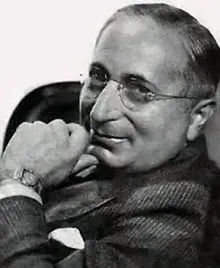 Photo: Louis B. Mayer, via garboforever.com
The Unintended Cultural Empire
Edison intended to control American cinema through legal monopoly. Instead, his overreach created the conditions for American cinema to dominate global culture. The independents he drove west built an industry structure so robust and integrated that it could export American stories, values, and perspectives to every corner of the earth.
This outcome wasn't planned by either side. Edison couldn't have foreseen that his patent enforcement would create Hollywood. The studio founders couldn't have predicted that their defensive measures would become the foundation for global cultural hegemony.
The Ledger's Long Memory
Today's entertainment landscape bears Edison's fingerprints in ways both obvious and subtle. Netflix's obsession with content ownership echoes the studio system's vertical integration. Disney's franchise strategy mirrors the moguls' instinct to control every aspect of production and distribution. Amazon's entry into entertainment reflects the same outsider psychology that drove the original Hollywood pioneers.
The human psychology that drove Edison to overreach, that motivated the independents to flee west, and that shaped Hollywood's institutional culture remains unchanged. When established power attempts to exclude outsiders through legal or economic barriers, those outsiders don't simply disappear—they adapt, relocate, and often build superior alternatives.
Edison's patent war created Hollywood not through intention, but through the timeless psychological dynamics of authority and resistance. The studio system that still shapes global entertainment emerged from one man's need to control technology and another group's refusal to be controlled. In the great ledger of unintended consequences, few entries have proven more consequential than the grudge that accidentally built an empire.