The Magazine Salesman's Patriotic Gambit
In 1892, Francis Bellamy faced a practical business problem: how to increase circulation for The Youth's Companion, a struggling Boston magazine targeting young readers. His solution would become one of the most successful marketing campaigns in American history, though neither he nor his employers anticipated that their promotional stunt would evolve into a daily ritual performed by millions of schoolchildren.
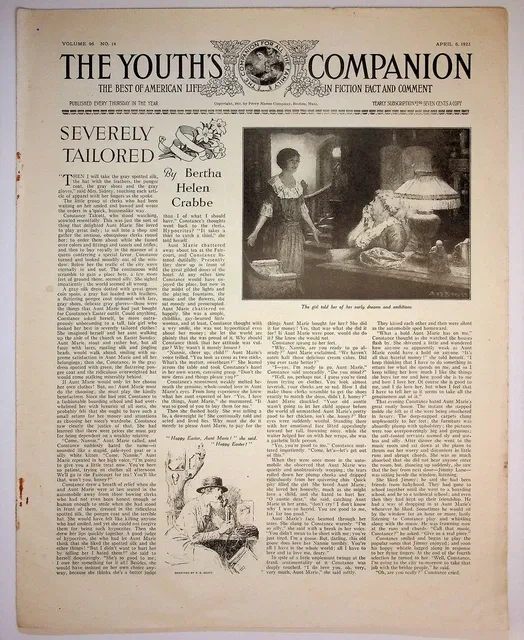 Photo: The Youth's Companion, via www.picclickimg.com
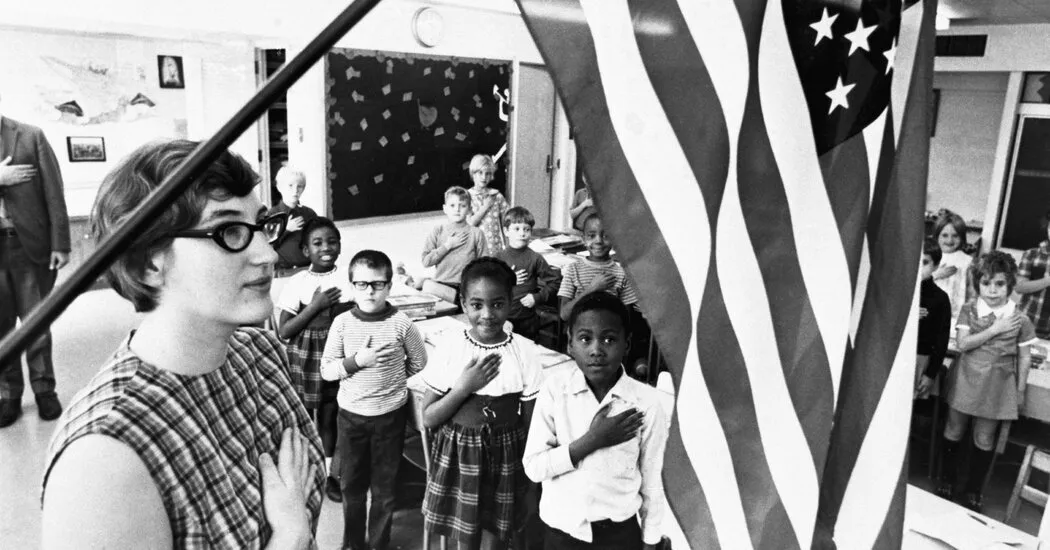 Photo: Francis Bellamy, via static01.nyt.com
Bellamy, a Christian socialist minister who had been forced from his pulpit for preaching economic equality, crafted twenty-three words designed to accompany flag ceremonies at the World's Columbian Exposition in Chicago. His pledge was intended to sell magazines by associating the publication with patriotic education, but the psychology behind its construction revealed sophisticated understanding of how repetitive ritual creates emotional attachment independent of intellectual comprehension.
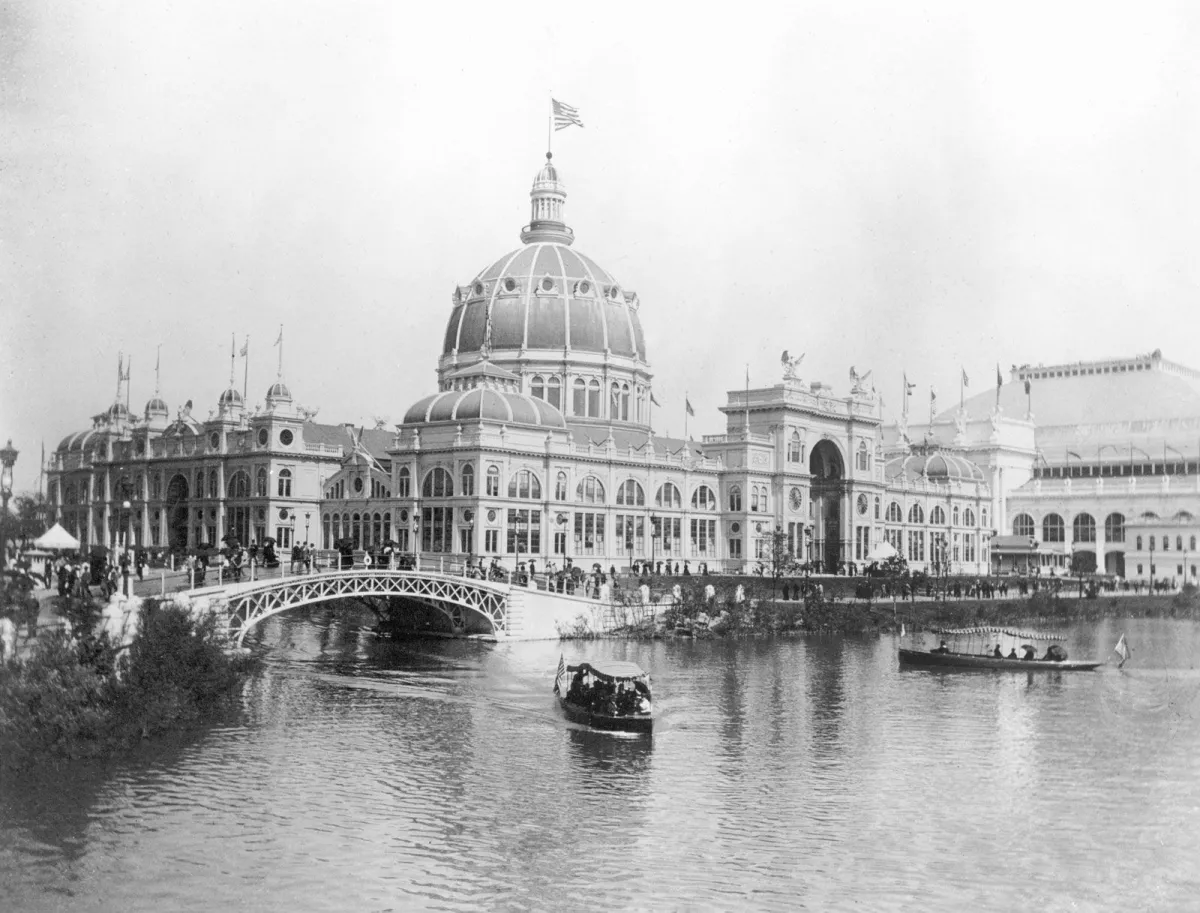 Photo: World's Columbian Exposition, via cdn.britannica.com
The original text—"I pledge allegiance to my Flag and the Republic for which it stands, one nation, indivisible, with liberty and justice for all"—contained no reference to God, no mention of specific American institutions, and emphasized the abstract concepts that Bellamy believed compatible with his socialist vision of economic democracy.
The Neuroscience of Ritualized Repetition
Bellamy understood intuitively what cognitive scientists would later demonstrate empirically: repetitive verbal formulas bypass critical thinking and create emotional associations that feel more authentic than reasoned conviction. The pledge's power lies not in its semantic content but in its ritualistic structure—the physical posture, the synchronized recitation, the ceremonial context that transforms ordinary words into sacred text.
This psychological mechanism explains why the pledge's effectiveness increased rather than decreased as its original context disappeared. Magazine readers in 1892 understood that they were participating in a promotional campaign. Contemporary schoolchildren experience the same words as timeless tradition, which makes the ritual more emotionally powerful, not less.
The transformation illustrates a fundamental principle of marketing psychology: successful campaigns eventually transcend their commercial origins and become cultural institutions. The most effective advertising disappears as advertising, leaving only the behavioral patterns it was designed to create.
Congressional Revision and Cold War Anxiety
The pledge remained relatively unchanged until 1954, when Congress inserted "under God" between "one nation" and "indivisible." This modification occurred during the height of Cold War paranoia, when American leaders sought to distinguish their ideology from "godless communism." The irony that they were revising a socialist's composition to combat socialism was lost on legislators who had never investigated the pledge's origins.
The 1954 revision demonstrates how institutional memory fails when rituals become sufficiently embedded in cultural practice. Congress treated the pledge as sacred American tradition rather than commercial marketing copy, which enabled them to modify it without acknowledging that they were editing someone else's intellectual property for political purposes.
The psychological dynamics that enabled this historical amnesia continue to operate today. Americans who would never knowingly recite socialist literature perform Bellamy's composition daily because its ritual context has completely obscured its ideological origins. The pledge succeeds as conservative ceremony precisely because its audience has forgotten its radical authorship.
The Business Model of Manufactured Tradition
Bellamy's pledge campaign established a template that modern marketers continue to exploit: create ritualistic behaviors that outlast their commercial context and become self-perpetuating cultural institutions. The most successful examples—from wedding diamond rings to holiday gift exchanges—share the pledge's key characteristics: they transform commercial transactions into emotional traditions through repetitive practice.
The pledge's evolution reveals how effective this strategy can be when properly executed. Bellamy's twenty-three words generated more lasting cultural influence than any advertising campaign in American history, despite—or perhaps because of—the complete disappearance of their original commercial purpose.
Contemporary technology companies employ similar tactics when they create user behaviors that become habitual rather than intentional. Social media platforms, mobile applications, and digital services all seek to establish ritualistic usage patterns that feel natural rather than designed. The psychological principles that made Bellamy's pledge successful continue to drive modern engagement strategies.
The Persistence of Unexamined Ritual
The pledge's continued popularity among conservative Americans who would reject its author's politics demonstrates the psychological power of ritualized repetition to override ideological consistency. The same audiences that oppose socialist economic policies enthusiastically recite socialist-authored text because the ritual context has made the words feel inherently American rather than historically contingent.
This disconnect reveals a broader truth about human psychology: people form stronger emotional attachments to familiar rituals than to abstract principles. The pledge's daily repetition creates feelings of patriotic belonging that no amount of historical education can easily dislodge. The emotional associations generated through childhood recitation prove more durable than adult intellectual analysis.
Educational institutions that teach the pledge's history often discover that factual information cannot compete with established emotional patterns. Students who learn about Bellamy's socialist politics typically continue reciting his words because the ritual feels more authentic than the biography. This psychological resilience explains why successful marketing campaigns can survive complete exposure of their commercial origins.
Lessons for Modern Persuasion Campaigns
The pledge's transformation from magazine promotion to national ritual offers several insights for contemporary persuasion efforts. First, the most effective messages are those that create behavioral habits rather than intellectual agreement. Second, ritualistic repetition can make any content feel traditional regardless of its actual age or origins. Third, successful campaigns eventually erase their own commercial fingerprints and become self-sustaining cultural practices.
Modern marketers seeking to create lasting behavioral change might study how Bellamy's pledge achieved institutional permanence through psychological rather than logical appeal. The words themselves matter less than the ritual structure that makes recitation feel meaningful to participants.
The Eternal Return of Strategic Forgetting
Americans will continue reciting Bellamy's pledge because remembering its origins would complicate the emotional experience that makes the ritual valuable. The psychological need for unambiguous patriotic ceremony outweighs the intellectual interest in historical accuracy.
This selective amnesia represents one of marketing's greatest achievements: the creation of cultural practices so deeply embedded that their commercial origins become irrelevant to their continued operation. Bellamy's socialist pledge has become conservative tradition through the simple passage of time and the human tendency to forget inconvenient facts about familiar rituals.
The pledge's persistence reveals that successful persuasion campaigns ultimately transcend their creators' intentions and serve whatever psychological needs their audience brings to them. Bellamy wrote socialist marketing copy, but Americans recite conservative ceremony, and both interpretations are equally valid because the ritual itself has become more important than the text it preserves.