The Con Artist's Prescription: How Patent Medicine Fraudsters Designed Modern Healthcare

The Golden Age of Medical Fraud
In 1885, if you felt sick in America, your most likely healthcare provider wasn't a doctor—it was a con artist. Patent medicine salesmen dominated American healthcare for nearly a century, selling bottles of alcohol, opium, and false hope to desperate patients. Their products didn't work, but their business model was revolutionary.
What these fraudsters created—almost by accident—became the structural foundation of modern American healthcare. Every psychological trick they pioneered to sell fake medicine became a legitimate industry standard when real medicine finally arrived.
The Psychology of Medical Authority
Patent medicine salesmen understood something that trained physicians didn't: sick people don't buy medicine, they buy hope. The salesmen's first innovation was manufacturing medical authority where none existed. They created fake degrees, invented medical titles, and published testimonials from imaginary patients.
Dr. Kilmer's Swamp Root, Lydia Pinkham's Vegetable Compound, and Hamlin's Wizard Oil weren't sold by doctors—they were sold by actors playing doctors. But the performance was so convincing that patients trusted these theatrical authorities more than actual physicians, who in 1885 had little more to offer than patent medicine anyway.
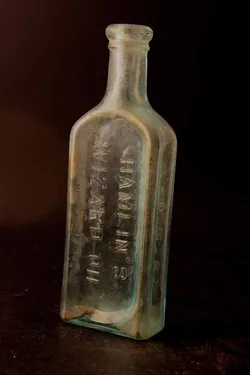 Photo: Hamlin's Wizard Oil, via maryfransmuse.weebly.com
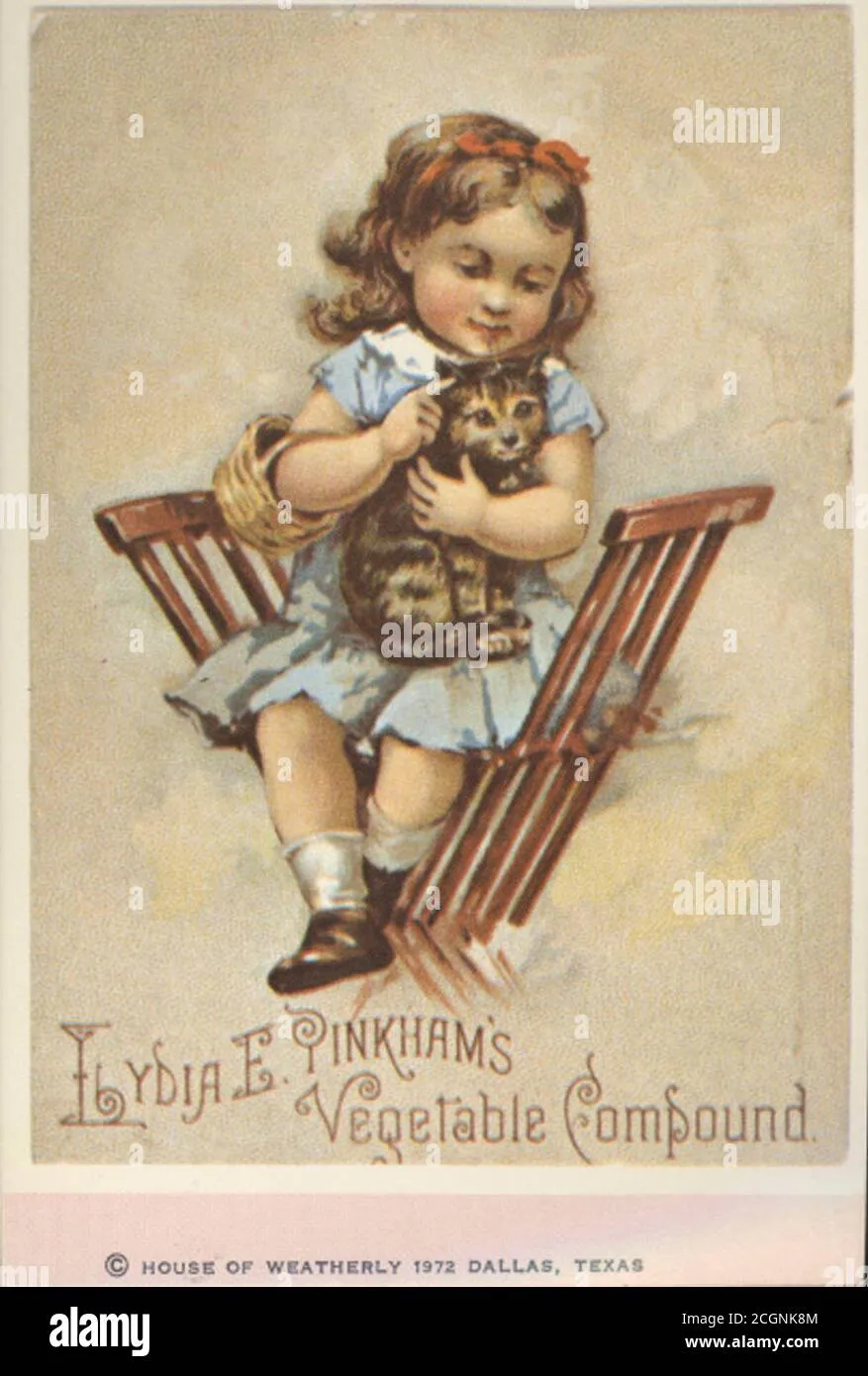 Photo: Lydia Pinkham's Vegetable Compound, via c8.alamy.com
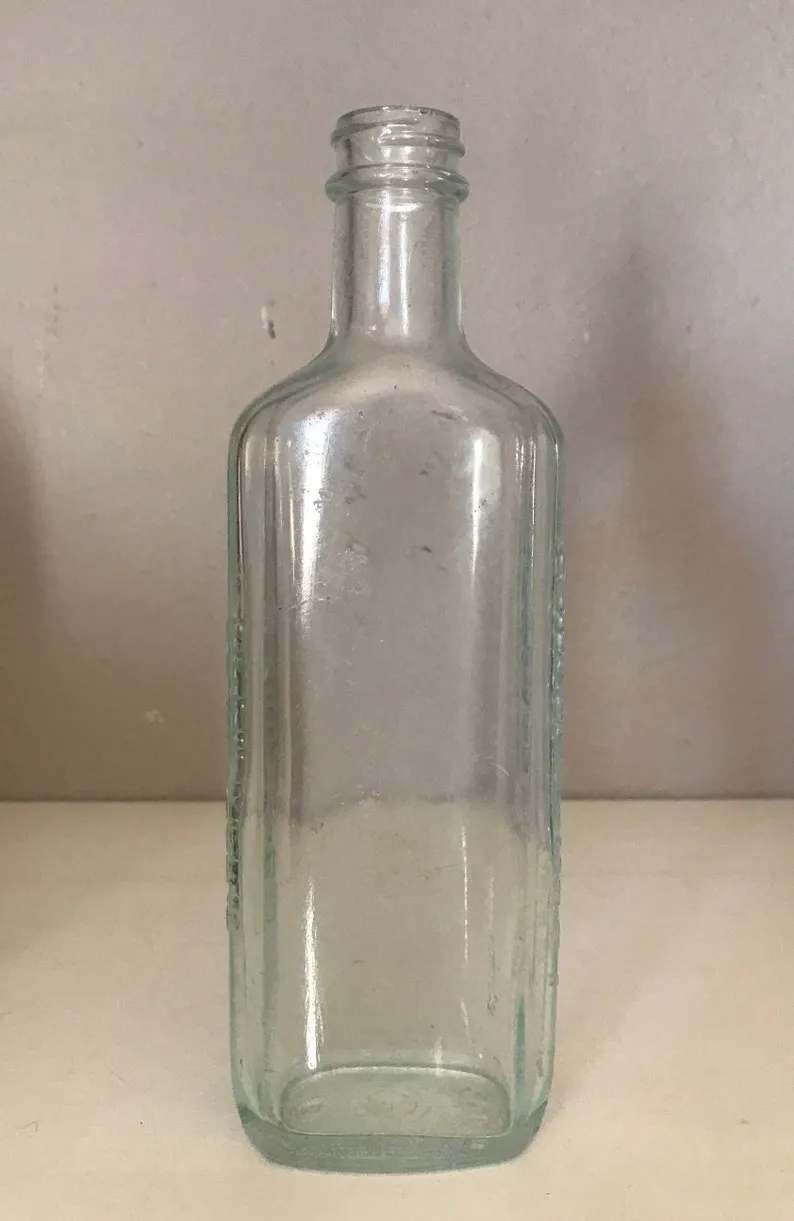 Photo: Dr. Kilmer's Swamp Root, via i.etsystatic.com
This psychological blueprint—authority through performance rather than competence—became healthcare's foundational marketing principle. Modern pharmaceutical companies still hire actors to play doctors in advertisements. Medical practices still invest heavily in creating environments that signal authority: white coats, diplomas on walls, impressive medical equipment displayed prominently.
The Testimonial Revolution
Patent medicine advertising pioneered the use of patient testimonials as medical evidence. Newspapers across America ran daily advertisements featuring grateful customers praising miracle cures. "Mrs. Johnson of Toledo writes: 'After three bottles of Pinkham's Compound, my female troubles vanished completely!'" These testimonials were fabricated, but they established the psychological template for medical trust.
Legitimate medicine simply inherited this system. Modern pharmaceutical advertising relies heavily on patient testimonials—now called "patient stories" or "clinical anecdotes." Medical practices encourage satisfied patients to write reviews and share their experiences. The psychology remains identical: other people's experiences carry more weight than clinical data when patients make healthcare decisions.
Tiered Pricing and Manufactured Urgency
Patent medicine salesmen invented healthcare's pricing psychology. They offered multiple product tiers: the basic bottle for minor ailments, the "professional strength" version for serious conditions, and the "complete treatment course" for maximum effectiveness. This wasn't based on different formulations—it was the same alcohol and opium in different sized bottles with different labels.
They also pioneered manufactured medical urgency. Advertisements warned that conditions would worsen without immediate treatment, that supplies were limited, and that delays could prove fatal. "Don't wait—your life may depend on acting now!" became standard advertising copy.
Modern healthcare operates on identical psychological principles. Medical procedures are routinely offered in basic, premium, and comprehensive packages. Patients are regularly told that conditions will worsen without immediate intervention, that appointment slots are filling up quickly, and that delayed treatment carries serious risks. The language has become more sophisticated, but the underlying psychology remains unchanged.
The Brand Loyalty System
Patent medicine companies created America's first medical brand loyalty programs. Customers who bought Lydia Pinkham's products received regular newsletters with health advice, seasonal product recommendations, and exclusive offers for loyal customers. These companies understood that healthcare purchasing was emotional, not rational, and that ongoing relationships generated more revenue than one-time transactions.
This system became the foundation for modern healthcare's relationship marketing. Medical practices now send regular health newsletters, seasonal wellness reminders, and exclusive offers for existing patients. Pharmaceutical companies maintain extensive patient relationship programs, complete with loyalty rewards and ongoing educational content.
The Regulation Paradox
When the Pure Food and Drug Act of 1906 finally began regulating patent medicines, legitimate pharmaceutical companies didn't abandon the fraudsters' business model—they refined it. They kept the testimonials, the tiered pricing, the manufactured urgency, and the brand loyalty systems. They simply backed these psychological techniques with actual medical research.
This created a fascinating paradox: legitimate medicine became more effective at selling itself by copying con artists' methods. The psychological architecture of medical trust, established by fraudsters, proved more durable than the fraudulent products themselves.
The Uncomfortable Inheritance
Today's healthcare industry operates on psychological principles established by nineteenth-century con artists. Patients still respond to authority signals, testimonials, pricing tiers, and manufactured urgency exactly as they did 150 years ago. The difference is that modern medicine actually works—but it sells itself using techniques pioneered by people selling snake oil.
This reveals something profound about human psychology: our decision-making patterns around health and medicine haven't evolved. We still trust performances of authority over demonstrations of competence. We still value other patients' stories over clinical data. We still respond to pricing signals and artificial scarcity.
The Pattern Persists
The patent medicine era ended, but its psychological legacy lives on in every aspect of modern healthcare. From pharmaceutical advertising to medical practice marketing to health insurance sales, the industry continues to operate on principles established by traveling salesmen who sold alcohol as medicine.
This isn't necessarily problematic—modern medicine actually delivers the results that patent medicine only promised. But it does reveal an uncomfortable truth about human nature: even when dealing with life-and-death decisions, we remain susceptible to the same psychological manipulation techniques that worked on our great-grandparents.
The next time you see a pharmaceutical advertisement featuring a patient testimonial, or visit a medical practice with impressive authority signals, remember: you're experiencing business techniques pioneered by con artists who understood human psychology better than the legitimate doctors of their time.