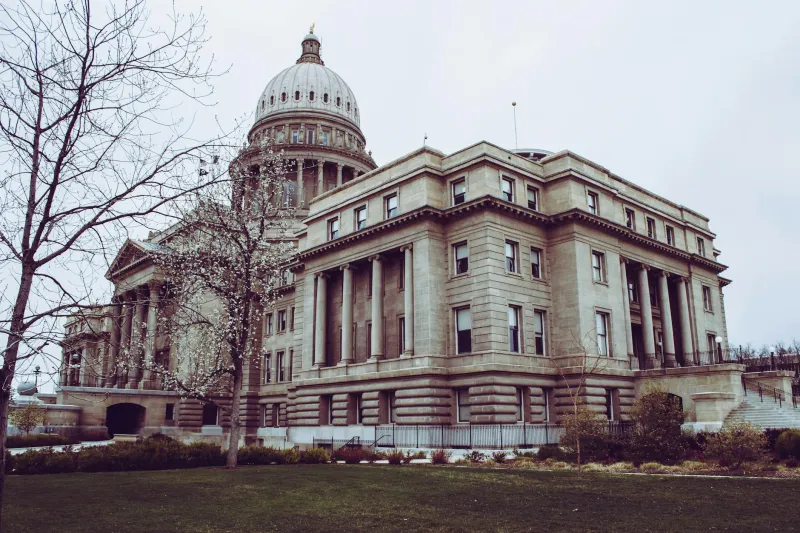
The Raise That Broke Democracy
In February 1816, Congress passed what appeared to be routine legislation: the Compensation Act, which raised congressional salaries from $6 per day to $1,500 annually. The change seemed logical—a fixed salary would eliminate the perverse incentive for legislators to extend sessions for additional per diem payments. What followed was a political earthquake that reverberated through American democracy for generations.
The public's reaction was swift and merciless. Newspapers branded the pay increase as aristocratic self-dealing. Town meetings passed resolutions condemning their representatives. When the 1816 elections arrived, voters delivered a verdict so brutal that it traumatized the political class: of the 81 House members who had voted for the raise, only 15 survived at the polls.
The Psychology of Institutional Humiliation
The massacre of 1816 created what psychologists would recognize as institutional trauma. An entire generation of politicians learned that touching congressional compensation was political suicide. The lesson embedded itself so deeply in congressional culture that it became an unwritten law: never, under any circumstances, vote yourself a raise.
This psychological scar produced a peculiar form of democratic masochism. For the next 39 years, Congress refused to adjust its own compensation despite inflation, economic growth, and the expanding responsibilities of federal government. The $1,500 salary established in 1816 remained frozen until 1855, when desperation finally overcame terror.
The Wealth Filter Emerges
Congress's compensation phobia created an unintended but devastating selection mechanism. As the nation's economy grew and living costs rose, the fixed congressional salary became increasingly inadequate for middle-class families. A seat in Congress, once accessible to merchants, lawyers, and farmers of modest means, gradually became a luxury that only the independently wealthy could afford.
The psychological impact extended beyond individual financial calculations. Ambitious men from modest backgrounds began to view congressional service as financially ruinous rather than civically rewarding. The very people who might have brought middle-class perspectives to national governance were systematically discouraged from seeking office.
When Fear Becomes Policy
The 1816 trauma established a pattern that would repeat throughout American political history: a single episode of public humiliation creating decades of institutional paralysis. Congressional leaders developed elaborate psychological defense mechanisms to avoid confronting the compensation question directly.
When salary adjustments finally became unavoidable, Congress employed increasingly complex schemes to distance themselves from responsibility. They created commissions to recommend pay levels. They tied increases to judicial salaries. They delayed implementation until after elections. Each mechanism reflected the same underlying psychology: terror of voter retribution for perceived self-dealing.
The Plutocratic Drift
By the Civil War era, the compensation crisis had fundamentally altered the composition of Congress. Wealthy merchants, plantation owners, and successful lawyers dominated both chambers. Men like Abraham Lincoln, who had struggled financially during his single House term in the 1840s, became increasingly rare.
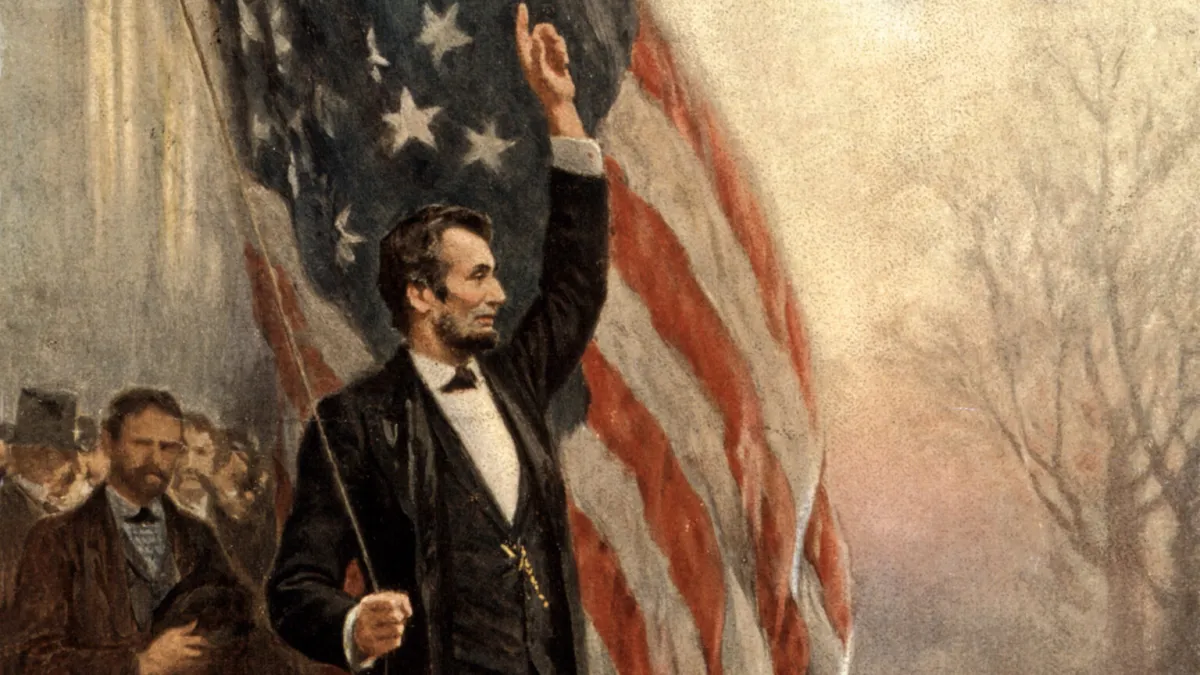 Photo: Abraham Lincoln, via warfarehistorynetwork.com
This shift wasn't merely demographic—it was psychological. A legislature composed primarily of wealthy men naturally developed different priorities, perspectives, and policy preferences than one that included substantial numbers of middle-class representatives. The compensation freeze hadn't just changed who served in Congress; it had changed how Congress thought about governance itself.
The Modern Legacy
The psychological patterns established in 1816 persist in contemporary American politics. Congressional pay remains a political third rail, touched only through elaborate procedural mechanisms designed to minimize individual responsibility. The 27th Amendment, ratified in 1992, explicitly prohibits Congress from giving itself immediate pay raises—a constitutional enshrinement of the trauma that began 176 years earlier.
 Photo: 27th Amendment, via www.collincountygop.org
More significantly, the wealth requirement for effective political participation has only intensified. Modern campaigns require financial resources that make 19th-century barriers seem modest by comparison. The psychological dynamic remains unchanged: public service becomes accessible primarily to those who don't need the compensation.
The Unintended Constitution
The Founders never intended to create a government of the wealthy. The compensation clause in Article I was specifically designed to ensure that men of modest means could serve without financial hardship. Yet the psychological reaction to the 1816 pay raise effectively nullified this constitutional provision for generations.
This outcome illustrates how democratic institutions can be subverted not through constitutional amendment or legal change, but through psychological conditioning. The trauma of electoral punishment created behavioral patterns that persisted long after the original circumstances had changed.
Democracy's Psychological Trap
The compensation crisis reveals a fundamental tension in democratic psychology. Voters simultaneously demand that their representatives be "just like them" while punishing any evidence that those representatives share ordinary financial concerns. This contradiction creates a selection pressure favoring candidates who can credibly claim to be above material considerations—typically, those who are already wealthy.
The 1816 debacle and its aftermath demonstrate how a single moment of democratic accountability can create decades of democratic dysfunction. The public's legitimate anger at perceived self-dealing produced a system that systematically excluded the very people most likely to understand ordinary citizens' financial pressures.
In the great ledger of unintended consequences, few entries have proven more persistently damaging to democratic representation than the salary increase that nobody dared to touch. The psychological scar left by that episode continues to shape American politics, ensuring that the people's house remains largely populated by those who have never needed to worry about the people's problems.